






As many as 3 out of 4 women experience pain during intercourse at some point in their lives. They may struggle with short-term or long-term problems, many of which can decrease overall sexual pleasure or even prevent women from getting in the mood in the first place.
Your sex life is important, as much is understanding why you suffer pain during intercourse because then you can address the problem, manage the pain, and to return to a more satisfying sex life.
Common causes of pain during intercourse
While pain during sex is common, you shouldn't consider it "normal," nor should it be something that you "just have to live with." Pain during intercourse can occur for a variety of reasons, and here are some common causes:
1. Vaginal dryness
Many women suffer during sex due to excessive vaginal dryness. In order for sex to remain pleasurable, you need a smooth touch and plenty of lubrication. Without that lubrication, stimulation can quickly become coarse and uncomfortable. Women may suffer from vaginal dryness due to inadequate arousal, or they may suffer from dryness due to hormonal conditions, stress, or shifts in their monthly cycles.
2. Vulvodynia
Vulvodynia is a condition that can cause chronic, burning pain in the vulva. Some women experience ongoing pain, while others notice that it shows up temporarily, then disappears as soon as it began. Vulvodynia can leave many women struggling with increased pain during sex. Some women find that avoiding tight clothing or potential irritants, including fabric softeners, some types of pads, and dyes, can help decrease the symptoms of vulvodynia.
3. Childbirth
During childbirth, many women tear or require an episiotomy, which can leave the area tender for a long time. Many women struggle to return to normal following childbirth. While doctors typically recommend waiting at least six weeks before resuming normal sexual activity, many women need to wait far longer before they're ready to resume normal sexual activity again.
4. Endometriosis
When a woman has endometriosis, the penetration or other movements that go along with sex can pull endometrial tissue. In many cases, this can create ongoing pain during sex. Treatment for endometriosis also often increases vaginal dryness, which can further increase the pain that many women suffer during intercourse.
5. Vaginismus
Vaginismus causes an involuntary tightening of the muscles surrounding the vaginal opening. Not only can this contracture be painful in and of itself, but it can also make penetration very difficult or even painful. It can cause ongoing discomfort or burning pain during intercourse. In order to address these symptoms, women may need to identify the affected muscles and relax them, which can take considerable time and therapy.
6. Urinary Tract Infections
UTIs can cause burning or stinging during sex. They can also make penetration painful or leave many women suffering from ongoing pain during sex. An undiagnosed UTI may first show up as pain during penetration or masturbation.
7. Thinning of the vaginal walls during menopause
During menopause, your hormones change immensely. Your vaginal walls may thin, leaving you suffering from more painful sex. You may also struggle with ongoing dryness, which can increase pain during sex.
Things that can help increase pleasure during sex
While working directly with a doctor can provide the most assistance when it comes to decreasing painful sex, many women may struggle to get the treatment they need. Not only that, physical therapy and hormone treatments can take time to work.
Luckily, there are several tools on the market that can help you manage intimacy issues and get more pleasure from your sexual experiences.
1. Try personal lubricants & vaginal moisturizers
Many of the problems that exacerbate pain during sex have a common root: vaginal dryness. If you lack adequate lubrication, you may struggle to enjoy sex or experience pain. Worse, anticipating that pain can make you even dryer, since you may struggle to reach arousal if you fear coming pain.
Using a personal lubricant can help you decrease pain during sex, increase your natural arousal, and make sex overall more satisfying. However, not all lubes are the same, so it’s worth exploring the best lubricant for vaginal dryness that works with your body. Water-based options are light and easy to clean, while silicone-based lubes last longer and stay silky.
There are also formulas designed specifically for sensitive skin or repair - like Kindra’s V Hydration and Relief Duo, which is a vaginal moisturizer as well as lubricant, ideal for those experiencing dryness from hormone changes.
2. Use doctor-recommended vibrators for arousal
Vibrators do a lot to enhance your pleasure in the bedroom, they are great tools to enhance arousal and lubrication, which can help relax to allow for pleasurable penetration. Vibrators can also provide stimulation that helps you reach orgasm without penetration, which can make it easier for you to continue to enjoy many types of sexual activity even when you're suffering from painful sex.
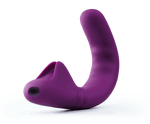
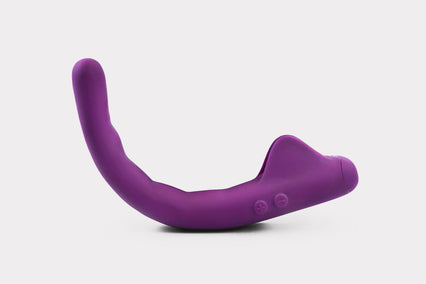
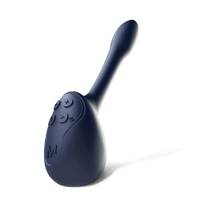
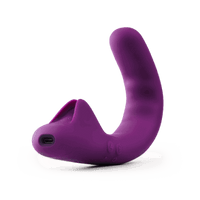
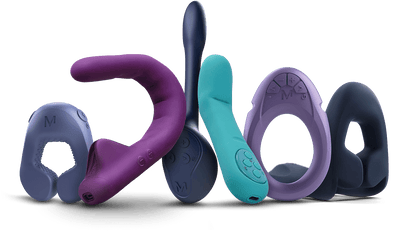
A doctor-recommended device like Crescendo 2 is a unique ally for building arousal and natural lubrication - its fully bendable design and 6 end-to-end motors stimulate multiple erogenous zones at once, increasing blood flow and sensation across your whole body rather than one pinpointed spot. FDA-registered, doctor-designed, and FSA/HSA eligible, it comes with 16 intensity settings and a smart app so you stay in complete control of your experience.
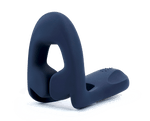
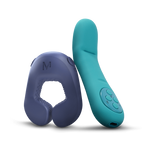
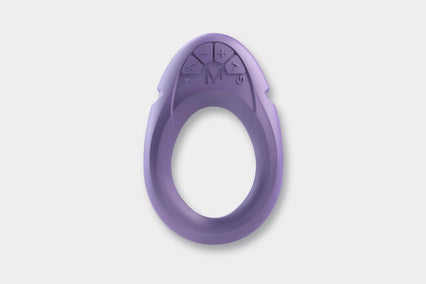
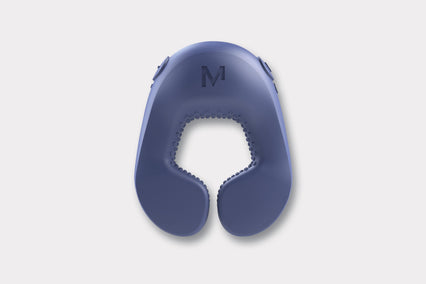
Legato takes a different approach - as the first vulva vibrating ring, it disperses vibrations across your entire vulva and labia rather than targeting one spot, increasing blood flow and awakening sensation across a much larger erogenous area to help your body build arousal and natural lubrication more effectively. Its generous center gap means you can wear it throughout intercourse to keep lubrication and arousal going continuously - so even if you struggle to stay aroused during penetration, Legato keeps working with your body the whole time. Like Crescendo 2, it's FDA-registered, doctor-designed, and FSA/HSA eligible.
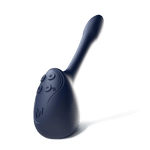
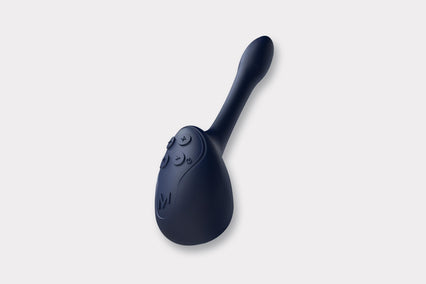
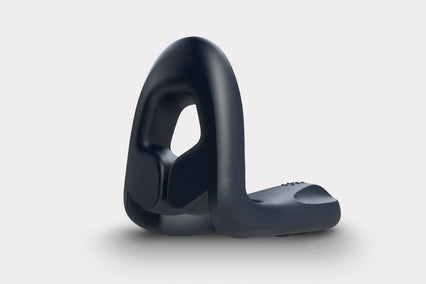
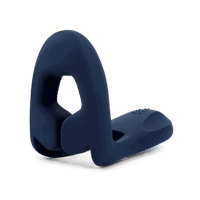
You can also try the award-winning male vibrator Tenuto 2, which is clinically proven to enhance erections and performance, and pleasure for both partners. Worn at the base of the penis, 4 powerful motors increase blood flow, arousal, and sensation from the penis, perineum, all the way to a partner’s vulva and clitoris - making hands-free couples’ climax a reality.
3. Explore pelvic floor therapy
If pain during sex stems from muscle tension, tightness, or weakness in the pelvic floor, it's worth talking to a pelvic floor physical therapist. They specialize in the muscles and connective tissue that support your pelvic organs, and can help you identify what's actually going on down there - whether that's tension that needs releasing, weakness that needs rebuilding, or both.
It's especially worth exploring if you experience vaginismus, postpartum discomfort, or ongoing tightness that makes penetration uncomfortable. Many women find that even a few sessions make a real difference in how their body feels and responds during sex.
4. Have non-penetrative intimacy
If penetrative sex is causing most of your pain try having non-penetrative intimacy. Activities like mutual masturbation, dry humping, and oral sex can give you sexual arousal and satisfaction - without penetration. These experiences help arousal build gradually and take pressure off rushing to the “penetration” part of sex. When intimacy isn’t defined by one specific act, it opens the door to more creativity, responsiveness, and connection.
5. Talk to your doctor
Sometimes lifestyle changes aren't enough, and that's okay. If sex continues to be painful, it's worth speaking with a healthcare provider who can help identify what's driving the discomfort and what options are available to you.
Depending on the cause, a doctor might recommend topical estrogen or hormonal treatments to address vaginal dryness from menopause, numbing creams or nerve pain medication for conditions like vulvodynia, or antibiotics if an underlying infection is contributing to the problem. For some women, a combination of approaches - medication alongside physical therapy or other tools - is what finally makes a difference.
The key is finding a provider who takes your symptoms seriously and works with you to find the right solution, not just a one-size-fits-all answer.
Takeaway
Painful sex has many causes, and often the most effective approach combines more than one solution - whether that's adding lubrication, building arousal before and during sex, working with a pelvic floor therapist, or talking to your doctor about what's driving the discomfort. The common thread across all of it is giving your body what it needs to feel aroused, comfortable, and ready. If you're looking for a place to start, explore these doctor-recommended vibrators designed specifically to support arousal and natural lubrication is a good first step - and they are FSA/HSA eligible, too.