





Guest post by E-Surgery, Edited by MysteryVibe Staff
Erectile dysfunction (ED) is a sexual health issue that affects far more men than most people realize. If you’re here, chances are you’ve had a few moments that left you frustrated, confused, or worried about what’s going on with your body. Maybe getting hard isn’t as easy as it used to be. Maybe you lose your erection halfway through intimacy. Maybe it only happens with a partner, which makes everything feel even more stressful. Whatever your version looks like, it can feel incredibly personal, but it’s also incredibly common.
No man is meant to perform flawlessly every time, and occasional erection loss is a normal part of sexual life. However, if the struggle becomes frequent enough to interfere with arousal, pleasure, or connection with a partner, it’s worth paying attention and exploring the options that can help.
If you’re reaching the point of dysfunction, here’s how to get some help.
What causes erectile dysfunction?
Erectile dysfunction does not usually come from one single cause. It can stem from a mix of physical, psychological, and situational factors that affect how arousal and erections work together. For some men, the reason feels obvious. For others, it seems to appear out of nowhere. Both experiences are normal, and here are some of the things that can cause or contribute to ED:
Physical Causes
Certain health conditions can influence blood flow, nerve function, or hormone levels. These all play a key role in getting and maintaining an erection. Common physical factors include:
- High blood pressure
- Diabetes
- Hormonal changes such as low testosterone
- Obesity
- Spinal or pelvic injuries
- Side effects from medication
Psychological causes
Arousal is just as mental as it is physical. When your mind is under pressure, your body often responds. Psychological factors that may contribute to ED include:
- Stress or burnout
- Anxiety or performance anxiety
- Depression or low mood
- Low self-esteem or body image concerns
Often these influences overlap. A physical issue can create stress, and stress can make erections even harder to maintain. Looking at the pattern of when ED happens and how often it shows up can help you understand what might be contributing to it.
How to get help for ED – talk to a doctor
The first and most important step in addressing ED is to reach out for professional support. This can feel uncomfortable at first, but doctors and sexual health providers talk about erection issues every day. They understand how common ED is, and their role is to help you figure out what is going on without judgment.
A healthcare professional will look at the bigger picture of your health, lifestyle, and sexual patterns. They may ask when erectile difficulties started, whether they happen in all situations or only some, and whether stress, sleep, or mood changes could be involved. They might also check your blood pressure, review any medications you take, or recommend basic tests if they suspect a physical factor, such as underlying health conditions or cardiovascular issues.
If in-person appointments feel daunting, many regions now offer telehealth or online sexual health services such as e-Surgery offer an online Ask-a-Pharmacist service where you can speak with someone privately. When talking to your doctor about ED, what matters most is honesty. The clearer you are about what you are experiencing, the easier it is for a doctor to guide you toward the most helpful options.
Treatment options for ED
There is no single solution that works for every man, which is why treatment usually depends on what your doctor identifies as the underlying cause. Some men benefit most from medical support, while others see improvements through therapy, lifestyle changes, or sexual wellness devices that help rebuild confidence and arousal. Many men find that a combination of approaches works best. Here are some options your doctor may recommend, based on your circumstances:
1. ED Prescription Medication
If you’re prescribed medication to treat erectile dysfunction, it will likely be in the form of tablets containing the active ingredient Sildenafil or Tadalafil. But how exactly do these things work?
Well, you’ve almost certainly heard about Viagra, the most famous erection inducing pill. In truth, the active ingredient in Viagra is called Sildenafil Citrate. Sildenafil works by relaxing the blood vessels in the penis, leading to increased blood flow when aroused. In simpler terms, it makes it easier to get hard and stay hard. An alternative tablet, Tadalafil, works in a similar way.
There is a range of safe and effective ED pills you might be prescribed. Some of them might be brand names, but you can also opt for generic medication that works in exactly the same way.
ED prescription treatments include:
- Cialis and Cialis Once Daily
- Levitra or the generic equivalent Vardenafil
- Spedra, the fastest-acting ED pill on the market
The prescription instructions for the pills will vary, as will their potential side effects, so check out the ‘Top 5 ED Pills In The UK’ for a more thorough run down.
2. Therapy
Sometimes it really is mind over matter. While physical conditions and disorders can often factor into erectile dysfunction, sometimes it is a psychological cause keeping otherwise healthy men from becoming erect. The very same people might have no trouble waking up with ‘morning wood’, but struggle when it comes time to perform with their partner.
Sex should be fun, playful, and stress free. But in this modern world, it’s not always so easy leaving stress at the door - or by the bedside. Sometimes our mental health can really affect our sex lives and relationships, and ED can be just one manifestation of this.
Therapy can work wonders. If you’re experiencing anxiety and depression, a combination of counselling and CBT (Cognitive Behavioral Therapy) can help you to understand patterns of thought and sources of distress that can lead to erectile problems. There are also therapists who specialize in sexual health, and relationship counselling if you’d like to work something through with your partner.
3. Lifestyle changes
Healthy habits cannot replace medical care when ED has an underlying physical cause, but they can make a meaningful difference for many men. Erections rely on strong circulation, balanced hormones, and a nervous system that is not overwhelmed by stress.
Small shifts in daily routines can support all three, such as:
- Regular movement, even in the form of moderate aerobic exercise, can improve cardiovascular health and increase blood flow.
- Eating foods that support erectile function, and good health can improve energy, mood, and overall wellbeing.
- Reducing alcohol and avoiding cigarettes may also help, since both can interfere with arousal and erection quality.
These changes can help create the conditions your body needs to respond more easily to arousal and help you feel more confident in your sexual health and overall health.
4. Clinically proven ED Devices
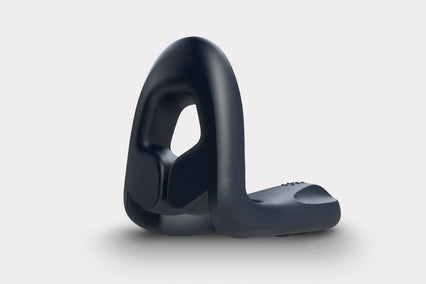
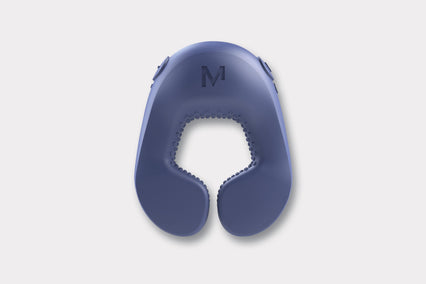
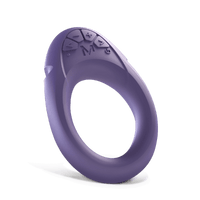
For men who cannot take medication due to underlying health conditions, or who prefer a more natural method of addressing ED before trying prescription options, there are ED devices that can support erection strength and arousal in a noninvasive way. Tenuto 2 is one of these options. It is an FDA-registered ED device that’s clinically proven to help improve erectile function and ED related to performance anxiety.
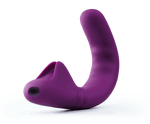
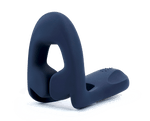
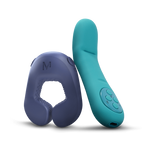
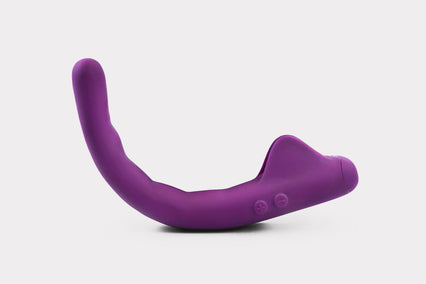
Tenuto 2 is worn around the base of the penis and the perineum. Its four motors deliver focused stimulation to key erogenous areas that influence erection quality and pelvic floor engagement. This stimulation can increase circulation, heighten arousal, and help the body maintain an erection with greater consistency during sexual activity. Additionally, the front three motors also stimulate a partner’s entire vulva to help keep pleasure mutually beneficial for both partners.
Use Tenuto 2 during masturbation to rebuild confidence and practice staying erect without pressure. Others use it with a partner to provide steady stimulation to both partners and create better intimacy.
5. Pelvic floor exercises
The pelvic floor plays a bigger role in erections than most men realize. These muscles help control blood flow into the penis and support rigidity during arousal. When they are weak or tense, erections can become harder to achieve or maintain. Strengthening and relaxing the pelvic floor can help improve this control and support better sexual response.
Pelvic floor exercises, or Kegels for men, involve contracting and releasing the muscles you would use to stop the flow of urine. When done correctly and consistently, these exercises can help improve erectile firmness, support ejaculation control, and increase overall pelvic awareness during intimacy.
Pelvic floor work is not a quick fix, but rather an overall useful and practical tool that can complement other ED treatments and support long-term sexual health.
Takeaway
ED can take a toll on your confidence, but it does not have to take over your sex life. Speaking with a doctor is the first step toward understanding what is happening and finding the options that fit your situation. There are many ways to manage ED, whether that involves medication, therapy, lifestyle changes, or clinically proven devices that support erection strength. And while you explore what works for you, it’s still possible to have great sex with ED so intimacy stays enjoyable and pressure free along the way.