







Dyspareunia, aside from being a complicated word to pronounce, is the medical term for an all-too-common experience for women at every life stage: painful sex. It is characterized by genital pain or discomfort during or after sex, and it can significantly impact your sexual health and quality of life. Most women wait years before seeking treatment. That's too long. Without further ado, learn about the symptoms, causes, and ways to manage painful sex.
Symptoms of painful sex
The primary symptom of dyspareunia is pain or discomfort during sexual intercourse. The pain can be felt in the vagina, vulva, or pelvic region. It can be described as a burning, stinging, or throbbing sensation. The pain may be constant or intermittent, ranging from mild to severe. Other symptoms of dyspareunia may include:
- Pain during or after intercourse
- Pain during penetration
- Pain with deep thrusting
- Pain with tampon insertion
- Aching or soreness that lingers hours after sex
- Discomfort during tampon insertion or gynecological exams
Causes of painful intercourse
Dyspareunia rarely has a single cause, and that's part of what makes it so frustrating to navigate. Physical and psychological factors both play a role, and sometimes several things are happening at once. Here are the most common causes:
1. Vaginal infections
Yeast infections and bacterial vaginosis cause inflammation and irritation in the vaginal tissues, which makes sex painful. These are very common and very treatable - but they do need to be properly diagnosed rather than guessed at.
2. Vulvar skin conditions
Conditions like lichen sclerosus, an autoimmune condition, can cause significant pain during sex. Lichen sclerosus is a chronic skin condition that causes the skin of the vulva to become thin, white, and fragile - often leading to itching, tearing, and burning during sex. 60% of women with lichen sclerosus experience sexual dysfunction - with dyspareunia being the most commonly reported type.
3. Vaginal dryness
Vaginal dryness is one of the most common causes of painful sex - and one of the most overlooked. It can be caused by hormonal changes, certain medications like antidepressants or antihistamines, or simply not being fully aroused before sex begins. When there isn't enough natural lubrication, even gentle penetration creates friction that causes pain and soreness afterward. Sometimes the issue is insufficient arousal, which is worth addressing directly.
4. Endometriosis
Endometriosis is a condition where tissue similar to the uterine lining grows outside the uterus - on the ovaries, fallopian tubes, or surrounding pelvic structures. It causes deep pain during sex, particularly with certain positions or at specific points in your cycle. It affects up to 10% of women worldwide, and diagnosis is typically delayed by 5 to 12 years after symptoms begin. If you suspect it, push for answers.
5. Pelvic inflammatory disease (PID)
PID is a bacterial infection of the reproductive organs that causes pelvic pain, pain during sex, and sometimes abnormal discharge. It needs prompt medical treatment, left untreated; it can cause long-term complications.
6. Fibroids
Fibroids are non-cancerous growths that develop in or around the uterus. Depending on their size and location, they can cause deep pelvic pain during sex, heavy periods, or a feeling of pressure in the lower abdomen.
7. Menopause
During menopause estrogen levels drop, causing the vaginal tissues to thin and dry out - a condition called vaginal atrophy. This makes sex uncomfortable or painful for a lot of women. It's extremely common, and very much worth treating rather than tolerating.
8. Vaginismus
Vaginismus is when the muscles around the vagina involuntarily tighten or spasm in response to attempted penetration. It can make sex feel impossible rather than just painful. It often has both physical and psychological components, and it responds well to targeted treatment.
9. Psychological factors
Anxiety, stress, depression, and a history of trauma or sexual abuse can all affect how the body responds during sex - making it harder to get aroused, causing muscle tension, or making it difficult to relax. It's a real physiological response to emotional distress, and it deserves the same attention as any physical cause.
Ways to manage painful sex
The right approach depends on what's causing the pain - which is why getting a proper diagnosis first matters. That said, here are the most common and effective ways to manage dyspareunia:
Treat the underlying condition
If a medical condition like an infection, endometriosis, or fibroids is behind the pain, treating that condition directly is the most important first step. Addressing the root cause often resolves the pain without needing additional interventions.
Use vaginal lubricants & moisturizers
If vaginal dryness is one making sex uncomfortable, a lubricant reduces friction during sex immediately. A vaginal moisturizer used regularly helps maintain tissue hydration over time. Try using both, depending on the severity of your dryness. Not all formulas are the same - water-based options are light and easy to clean, while silicone-based lubes last longer and stay slicker. It's worth taking the time to find what the best lubricant is for your body. For women dealing with dryness and sensitivity, Kindra's V Hydration and Relief Duo is specifically formulated for sensitive skin and hormonal changes.
Explore hormone therapy
Estrogen therapy - applied locally as a cream, ring, or suppository - can restore moisture and thickness to vaginal tissues. It's a common and effective option for women experiencing dryness and pain related to menopause. Unlike systemic hormone therapy, local estrogen works directly on the tissue and is considered low-risk for most women - worth discussing with your doctor if dryness is a persistent issue.
Work with a pelvic floor therapist
A pelvic floor physical therapist can assess whether your pelvic floor muscles are too tight, too weak, or uncoordinated, and build a targeted program around it. This is particularly effective for vaginismus and pain caused by muscle tension. Many women don't realize their pelvic floor is involved in their pain at all - a specialist can identify that quickly.
Consider psychotherapy
For dyspareunia with a psychological component, working with a therapist who specializes in sexual health can make a significant difference. Cognitive behavioral therapy and specialized sex therapy are both worth exploring depending on your situation. If past trauma is a factor, EMDR is another evidence-based option that some women find helpful.
Increase arousal with doctor-designed vibrators
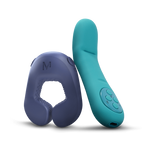
Increasing blood flow to the vulva and vaginal tissues plays a key role in natural lubrication and arousal - both of which affect how sex feels. Vibration has been studied as a physical treatment for female sexual arousal disorders, including difficulties with lubrication. Some women find that using vibrators before or during sex helps their body prepare more effectively, reducing friction and discomfort. And due to their effectiveness, doctors are recommending vibrators, some like the FDA-registered Crescendo 2 and Legato.
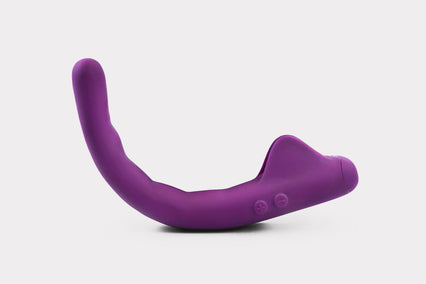
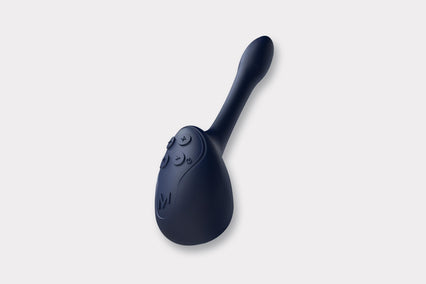
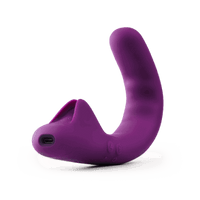
Crescendo 2 is a fully bendable device with 6 end-to-end motors. It bends into different shapes while stimulating multiple zones at once, which is a very comprehensive way to support arousal and natural lubrication. Crescendo 2 is useful for women who need more arousal before penetration feels comfortable.
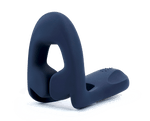
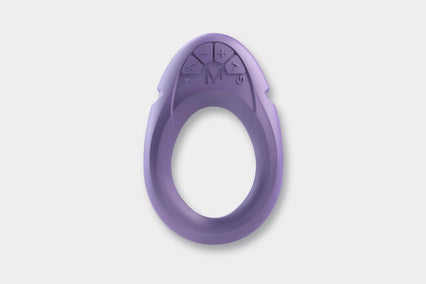
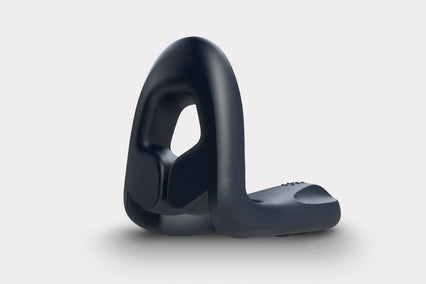
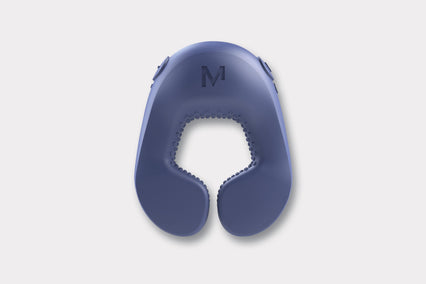
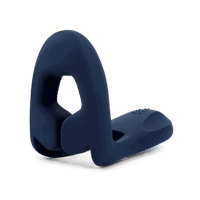
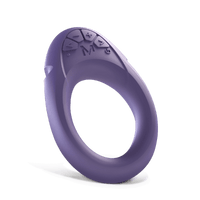
Legato is a flexible vibrating vulva ring that arouses the entire vulva - not just the clitoris - dispersing vibrations across the labia and outer tissues to support blood flow, arousal, and natural lubrication. External-only, requires no penetration, but can be used during intercourse to continue providing external arousal if needed.
Communicate with your partner
Open communication about what feels good - and what doesn't - is both practical and necessary. Pain during sex often goes unaddressed in the moment because it feels awkward to bring up. Being specific helps - telling a partner what positions, pressure, or pace cause discomfort gives them something concrete to work with.
Practice good hygiene
Simple habits like using unscented products near the vulva, changing out of damp clothing promptly, and urinating after sex help prevent infections that can contribute to pain. The vulva is self-cleaning - over-washing or using harsh soaps disrupts the natural bacterial balance and can make things worse, not better.
Talk to a doctor
If sex is painful, get it checked out. Many women wait years before seeking help. Bring a record of when the pain happens, where it is, and how long it's been going on - that context helps narrow down the cause faster and gets you to a treatment plan sooner.
Takeaway
Dyspareunia is frustrating, but it's rarely without a cause - and most causes have a path forward. Whether that's treating an underlying condition, working with a specialist, adjusting your approach to intimacy, or giving your body more support before and during sex, options exist. The most important thing is not to normalize pain as just part of the experience.
If you're looking for a place to start, talking to your doctor is always step one. And if supporting your body's natural responses is part of your plan, explore doctor-recommended vibrators designed to increase arousal, support natural lubrication, and bring pleasure back into your life.