
















A restless night can leave you drained, irritable, and unable to focus. But the habits affecting your sleep may not be the ones you expect.
From what happens during the day to how you spend the final hour before bed, small changes can have a noticeable impact. Some may even make your bedtime routine far more enjoyable.
Here are 7 tips to improve your sleep hygiene without relying on sleeping pills.
1. Turn your bedroom into a sleep sanctuary
Your bedroom should help you switch off, not remind you of everything you still need to do. If it has become a holding zone for laundry, unopened packages, work papers, and everything you quickly hid before someone came over, start there.
Clear the surfaces, put away the clothes, and remove anything that makes the room feel busy. You don't need to create a perfectly styled sleep sanctuary. You just need a space that feels calmer than the rest of your home.
Light matters too. Streetlights, security lights, and early morning sun can all make your bedroom brighter than you realize and interrupt your sleep schedule. Blackout curtains or a well-fitting sleep mask can help keep the room dark when you are ready to sleep, without stopping you from opening the curtains and letting natural light in during the day.
Then look at what you are actually sleeping on. If it’s an ancient, lumpy mattress that makes your back ache in the morning, probably not the most ideal sleeping situation. A new mattress can be expensive, but it’s an investment in your health.
2. Keep your bed for sleep (and sex)
Your bed has two jobs: sleep and sex, whether that’s with a partner or on your own. Once it also becomes your couch, office, movie theater, and late-night scrolling spot, your brain gets mixed messages about what’s supposed to happen there.
When you get into bed, resist the familiar promise of “just one more episode” or “five more minutes” on your phone. Put the devices away, turn off the TV, switch out the lights, and give your body a clear signal that the day is done.
Over time, keeping your bed for sleep and/or sex can strengthen that association, making it easier to switch off instead of lying awake while your mind keeps scrolling long after your thumb has stopped.
3. Have an orgasm before bed
Sexual activity, especially orgasms, might be the secret sleep elixir you’ve been waiting for.
During arousal, tension builds throughout your body. After orgasm, that tension drops and prolactin rises, helping your body move from excitement into a calmer, more satisfied state. It’s one reason you may suddenly feel relaxed, heavy-eyed, and ready to sleep.
And the effect isn’t just in your head. Research has linked sex with orgasm to falling asleep faster and getting better-quality sleep. More recent research also found that both partnered sex and masturbation may help reduce the time spent awake during the night.
The key is to focus on pleasure, not performance. Trying to force an orgasm can leave you more frustrated than relaxed, so give yourself time to touch, explore, masturbate, or try something different with your partner – like a vibrator.
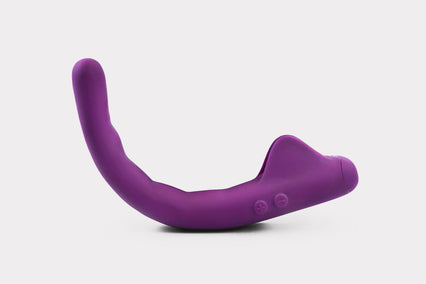
A vibrator can also make it easier to reach orgasm without any extra effort. A bendable vibrator like Crescendo 2 bends to fit your body and has six powerful motors that help sensation build across multiple erogenous zones.
For couples, Tenuto 2 is a wearable male vibrator that arouses both partners – the perfect addition to before-bed-sex to close the orgasm gap and make sure both partners get a good night’s sleep.
4. Stick to a consistent sleep schedule
Sleeping in can feel like the best part of the weekend, but your body clock doesn’t know it’s Saturday.
Your body follows an internal rhythm that helps decide when you feel awake and when you start getting sleepy. Going to bed at wildly different times, taking long daytime naps, or staying up until the early hours can throw that rhythm off and leave you staring at the ceiling when you actually want to sleep.
Research recommends going to bed and waking up at roughly the same time every day, including weekends. You don’t need to run your bedroom like boot camp, but keeping your weekend schedule within an hour of your weekday routine can help if you struggle with sleeplessness.
5. Switch off screens before bed
Your nighttime scroll might feel good, but it could also be one of the reasons you’re still awake.
The blue light from phones, tablets, and TVs can suppress melatonin, the hormone that tells your body it’s time to sleep. Research found that using a light-emitting screen before bed can make it take longer to fall asleep and leave you feeling less alert the next morning.
Additionally, if you’re doom-scrolling, the content can increase anxiety and cortisol, something that keeps your nervous system alert, which is the opposite of what you need for sleep.
Try switching off your devices an hour before bed. Read a book, talk to your partner, or do something that doesn’t involve screens.
6. Get more daylight and movement during the day
Your bedtime routine actually starts in the morning. Natural light helps keep your body clock on track, telling your brain when to feel alert and when to start winding down. It lowers melatonin in the morning and helps regulate it so it rises again at night. Research has linked more daytime light exposure with better sleep.
Movement gives sleep another nudge. Regular exercise can reduce stress and help you sleep more soundly, and it doesn’t have to mean an intense workout. Research shows that both physical and mind-body exercise can improve sleep quality.
Open the blinds when you wake up, take your coffee outside, or go for a walk at lunch. A little daylight and movement during the day can make switching off at night much easier.
7. Build a bedtime routine you can repeat
Your brain responds well to patterns. Repeating the same calming steps each night helps signal that the day is ending and it’s time to slow down.
The routine doesn’t need to be elaborate. In fact, the simpler it is, the more likely you are to stick with it. Take a warm shower, lower the lights, read a few pages, stretch, listen to something relaxing, or spend a little time with your partner.
Try to start at roughly the same time each evening. Over time, those familiar cues can help your body recognize that sleep is coming, instead of expecting more work, messages, or stimulation.
Avoid turning your routine into another task list. Choose two or three things that genuinely help you unwind and repeat them consistently. The goal is to make bedtime feel predictable, calm, and easy to return to.
Speak to a doctor when sleep problems persist
Sleep hygiene can help, but it can’t fix everything.
If you’ve changed your habits and still struggle to fall asleep, stay asleep, or wake up feeling rested, talk to a doctor. The same applies if you’re exhausted during the day or your partner notices loud snoring, gasping, or pauses in your breathing.
Poor sleep isn’t something you have to live with – or should live with. A doctor can help identify what’s keeping you awake and recommend the right support, rather than another generic sleep tip.
Takeaway
Better sleep doesn’t usually come from one perfect habit. It comes from creating the right conditions for your body and mind to switch off. Start with one small change tonight, not an entire overhaul of your sleep schedule. Whether that’s an early morning walk or late-night orgasms, start with one small change that will stick, and you can build on as time goes on. If orgasm is part of your wind-down, these vibrators are known for increasing orgasms.