








Vaginal dryness is when your body doesn't making enough natural moisture, and it shows up as irritation, itching, or pain during sex.
It's common - up to 60% of women during menopause experience this.
Prescription treatments and hormones can help, but plenty of women prefer to try natural options first: things like herbal remedies or supplements, lifestyle changes, or vaginal moisturizers.
Some restore moisture. Others just relieve symptoms. That difference matters because what might have helped your friend might not help you.
Here are natural remedies that can help with vaginal dryness.
What causes vaginal dryness?
Estrogen gets the blame, but vaginal dryness comes from several directions. While every woman’s circumstance will vary, these are the most common causes of dryness:
- Perimenopause and menopause. Estrogen falls, the vaginal lining thins and blood flow slows. Around 60% of women report dryness after menopause
- Postpartum and breastfeeding. Prolactin suppresses estrogen for as long as you nurse. Six months after a first birth, 43% of women report low lubrication
- Cancer treatment. Tamoxifen, aromatase inhibitors, chemotherapy and radiation all lower estrogen. Among women on endocrine therapy, dryness and atrophy reach 75%
- Antidepressants. SSRIs and SNRIs interfere with the arousal response. In one study, 76% of women taking antidepressants reported poor lubrication
- High blood pressure. Women with hypertension are roughly 1.8 times more likely to have sexual difficulties, lubrication among them
- Sjögren's syndrome. The immune system attacks the glands that produce moisture. Around 40% of women with Sjögren's report painful sex from lost lubrication
- Diabetes. High blood sugar damages nerves and small blood vessels, cutting blood flow to the vaginal walls. 58% of women with type 2 diabetes report lubrication problems
- Smoking. It speeds up how fast your body clears estrogen, which increases vaginal atrophy
- Insufficient arousal. Lubrication follows blood flow, so when sex starts before your body has caught up, dryness follows
Natural remedies for vaginal dryness
Here's how each approach works to help with vaginal dryness, and what's actually known about it.
Hydration and diet
Drinking water keeps your skin and tissues healthy, and that includes down there. Drinking water alone won’t make up enough hydration to fix vaginal dryness, and there hasn’t been a study on just water intake for vaginal moisture specifically, but it’s generally a good practice for a healthy lifestyle.
The same goes for what you eat. A balanced diet with healthy fats including omega-3s from oily fish, walnuts and flaxseed especially, supports the tissue everywhere in your body.
Phytoestrogens
Phytoestrogens are plant compounds that weakly mimic estrogen in the body. They fall into three groups: isoflavones (soy), lignans (flaxseed, sesame, whole grains), and coumestans (legumes). Isoflavones - the estrogen-like compounds found in soy - are concentrated in soybeans, tofu, tempeh, edamame, and soy milk. Small amounts also show up in chickpeas and lentils, but soy is the main source.
The evidence for vaginal dryness specifically is mixed. A meta-analysis of 10 studies on isoflavones found no significant improvement in vaginal dryness, even though other menopause symptoms improved.
Red clover - a separate isoflavone source from soy, with its own estrogen-like compounds - has better support: a meta-analysis found it improved vaginal dryness and atrophy specifically.
Phytoestrogen-rich foods are generally safe as part of a normal diet. Results vary by person, dose, and form.
Lifestyle changes
Daily habits play a big role in vaginal health, and small adjustments can make a noticeable difference in reducing dryness. Staying hydrated, eating a balanced diet rich in healthy fats, and managing stress all help support natural lubrication.
Stress matters more than it sounds, because a nervous system that's hypervigilant sends blood to your arms and legs, not your pelvis where you need blood for arousal and lubrication.
Avoid harsh soaps, douches, and scented products can also prevent irritation and dryness. The vagina cleans itself, so washing it out strips the lactobacilli that keeps the pH level balanced, and that can leave the tissue more prone to infection.
Engage in regular sexual activity to promote blood flow and keep vaginal tissues healthy. Sex, solo or partnered, is one of the few habits shown to improve elasticity and blood supply to the vaginal walls. If you’re having issues enjoying sex with dryness, see the next section below – there’s a tip to help.
Vibrating devices (vibrators)
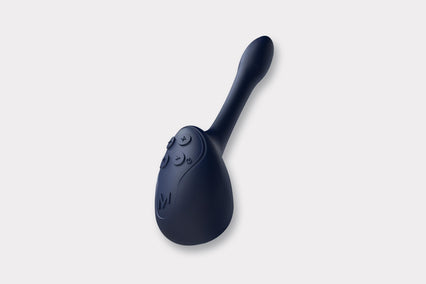
Vibrators have a scientific precedent of helping with vaginal dryness by way of increasing blood flow to the genital area, which enhances the body’s natural arousal and lubrication response. This can be especially helpful in combating vaginal dryness, as better circulation encourages the body’s natural lubrication response. One study found that vibrators can play a significant role in enhancing genital blood flow and arousal, helping counteract estrogen-related tissue thinning link.
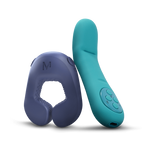
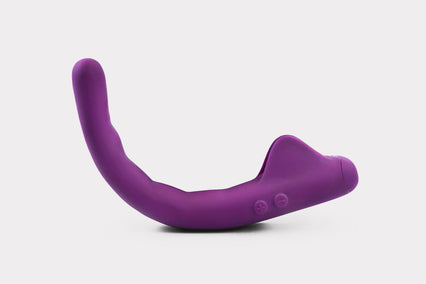
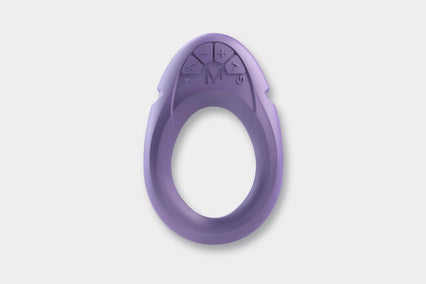
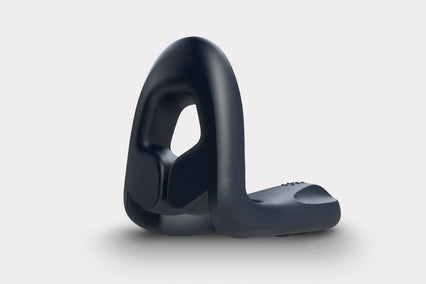
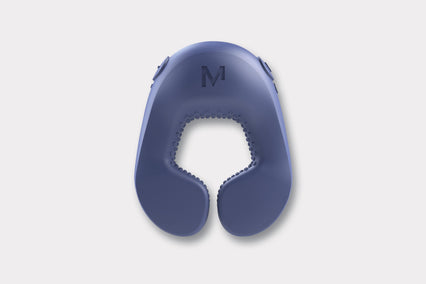
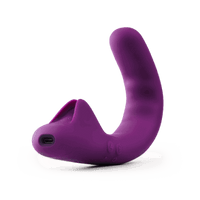
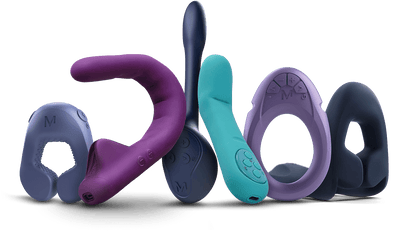
There are even certain vibrators that come with doctor recommendation like Legato and Crescendo 2, which are actually designed with the help of doctors. Both Legato and Crescendo 2 are vibrating devices supported by independent studies published in the Journal of Sexual Medicine to improve arousal and lubrication.
Crescendo 2 can arouse multiple erogenous zones at the same time, helping to increase arousal and lubrication thanks to its bendable design.
Legato works differently from Crescendo 2, it’s a flexible external vulva vibrating ring that distributes gentle vibrations across the entire vulva, increasing blood flow and arousal over a much larger surface area, promoting natural lubrication without penetration. However, it can be used during sex. With a generous gap in the middle, it’s wide enough for a partner to fit through while continuing to stimulate you.
Oils
Oils get recommended constantly, and the evidence behind their effectiveness varies. This is not to say you can’t use them or benefit, but that they aren’t solidly supported by science.
Coconut oil
The evidence supports it on the outside, not on the inside.
On the vulva, it works like any good moisturizer - it softens dry skin and holds moisture in.
Inside the vagina is a different story. The vagina is acidic; coconut oil isn't, and that can feed vaginal yeast. In one study, 44% of women who used oils internally tested positive for Candida, the yeast behind yeast infections, compared to 5% of women who didn't.
One more thing: oil destroys latex. If you use condoms, skip it.
Vitamin E oil
Researchers gave 52 postmenopausal women either vitamin E suppositories or estrogen cream for 12 weeks. Both healed the vaginal tissue. Estrogen just moved faster, working for everyone within a month while vitamin E got there for about three quarters of the group.
So, it's slower than the prescription option, but it works, and you don't need a prescription for it.
Aloe vera
Sixty menopausal women used either aloe vera cream or estrogen cream for six weeks, and the aloe held its own. Neither the women nor the researchers knew who got what, which makes this the most solid research on this list.
The study used a properly made aloe cream, not gel scooped out of a leaf from your plant at home. If you're using aloe, look for pure gel with nothing added, no fragrance, no alcohol.
Lubricants
A good quality water-based lubricant can help ease friction and enhance sensation, especially when vaginal dryness is an issue. You’ll want something gentle, safe to use with condoms and toys, and easy to clean up. In fact, one study confirmed good quality lubricants are effective and well tolerated in easing vaginal dryness and sexual discomfort.
It’s advised to avoid lubricants that are scented, flavored, or include harsh products that can disrupt the vaginal microbiome. If you need help, try any of these lubricants for vaginal dryness.
Vaginal moisturizers
While most people lump lubricants and vaginal moisturizers together, they are different in how and when you use them. Lubricants are used during intimacy, but vaginal moisturizers are designed for everyday hydration of vaginal tissue regardless of intimacy.
They have been shown in studies to be effective at maintaining moisture, resilience, and comfort for the long term. Studies show that vaginal moisturizers, like Kindra’s V Hydration and Relief, with ingredients like hyaluronic acid or zinc-containing gels significantly improve dryness, pH balance, and vaginal tissue integrity, often matching the efficacy of estrogen-based treatments without hormones.
Takeaway
The natural remedies here do different jobs. Lubricants and moisturizers add moisture from the outside. Vibrators, regular sex, vitamin E and aloe work on blood flow and the tissue itself, which takes a few weeks to show, but help underlying issues.
Combating vaginal dryness usually ends up being a combination of things: something that helps right away, and something that builds over time. If your menopausal natural remedies might not be enough, and if that sounds like you, here’s how to ease vaginal dryness during menopause.