







If someone told you that ED might require surgery, it's natural to want a second opinion - or at least a clearer picture of what that actually means. Surgery for erectile dysfunction exists, but it's rarely where treatment starts, and for most men, it's not where it ends up either.
ED has multiple causes, and most of them respond well to non-surgical treatment. Understanding what ED surgery is, who it's actually for, and what the alternatives look like gives you a better look at available options, and which one is right one for you.
First, what are the causes of ED?
ED is rarely caused by one thing - it's usually the result of physical health, mental health, or a combination of both.
Physical causes of ED
- Cardiovascular disease - Clogged or narrowed blood vessels reduce blood flow to the penis, making erections harder to achieve and maintain.
- Diabetes - Damages both nerves and blood vessels, disrupting the signals and circulation needed for an erection.
- Hormonal imbalances - Low testosterone or thyroid dysfunction lower libido and interfere with the body's ability to respond sexually.
- Neurological disorders - Conditions like Parkinson's or multiple sclerosis interrupt the nerve signals that trigger an erection.
- Medications - Some drugs for blood pressure, depression, or prostate conditions can cause ED as a side effect.
Psychological causes of ED
- Stress - Chronic stress diverts the body's resources away from sexual function, making erections harder to sustain over time.
- Performance anxiety - Fear of not performing creates a self-fulfilling cycle that makes the problem worse with each encounter.
- Depression - Disrupts both desire and the neurochemical signaling needed for arousal.
- Relationship issues - Unresolved conflict or disconnection between partners can generate enough stress and anxiety to contribute to ED.
Types of ED surgery
There are two main surgical options for ED. A doctor can recommend which is best depending on the underlying cause and after taking into account your unique situation and health.
1. Penile implants (penile prosthesis)
The most common surgical treatment for ED is a penile implant, also called a penile prosthesis. A device is placed inside the penis to allow control over erections.
There are two types of penile implants:
-
Inflatable implants - The most commonly used penile implant for erectile dysfunction, and there are available in two models:
- 3-piece inflatable penile implant – Consists of two cylinders inside the penis, a fluid reservoir implanted under the abdominal wall, and a pump in the scrotum. Squeezing the pump moves fluid from the reservoir into the cylinders to create an erection, and releases it back when done. The benefits of this one is that it creates the most natural looking erection.
- 2-piece inflatable penile implant - Works the same way as the 3-piece inflatable but combines the fluid reservoir and pump into a single unit in the scrotum, making it a simpler design with fewer components.
- Semi-rigid (malleable) implants - Two semi-rigid rods are implanted inside the penis that are always firm and bent manually into position for sex and back down for concealment. This type of implant is simpler to use, but the main caveat being that the penis remains semi-firm at all times.
It's worth noting that penile implants don't increase sexual desire or sensation, and the surgery won't make the penis larger.
2. Vascular reconstruction surgery
A less common surgical option for ED, there are two approaches, each targeting a different part of the blood flow problem. Both procedures require extensive pre-surgical testing to confirm the exact source and location of the vascular problem.
- Arterial bypass - Used when blocked or damaged arteries are restricting blood flow into the penis. The surgeon reroutes a healthy blood vessel to bypass the blockage, restoring the flow needed to achieve an erection. It is most commonly performed on men who have experienced blunt trauma to the pelvis or perineum that has damaged the internal pudendal artery - a procedure that applies almost exclusively to young healthy men with impotence due to pelvic trauma.
- Venous ligation - Used when veins in the penis are leaking blood out too quickly during an erection, a condition known as venous leak. The surgeon ties off the problem veins to help the penis retain enough blood to maintain an erection.
Vascular reconstruction is not recommended for ED caused by common systemic conditions like diabetes, hypertension, or generalized cardiovascular disease. The American Urological Association generally advises against it as a primary treatment for ED as it is costly, technically demanding, and has a lower success rate.
Cost of ED surgery
The cost of ED surgery will vary depending on surgeon experience, facility fees, and location - package pricing from some providers can bring the total down when insurance coverage isn't an option. Here are some approximate prices:
Penile implant cost
The price of penile implant surgery is heavily influenced by the type of device chosen:
- Semi-rigid rods: $5,000 - $10,000.
- 2-piece inflatable implants: $10,000 - $15,000.
- 3-piece inflatable implants: $15,000 - $30,000+
Penile implants are covered by Medicare and many major insurers when they are deemed medically necessary.
Vascular reconstruction surgery cost
More complex than penile implant surgery, vascular reconstruction carries a significantly higher price tag.
- Costs can exceed $30,000 - $50,000.
Who is a candidate for ED surgery?
ED surgery is rarely the starting point. It's typically a last resort after all other non-surgical options have been exhausted - oral medications, injections, vacuum devices – and haven't worked.
The men most likely to be considered good candidates for ED surgery are those whose condition can’t improve naturally or with other medical treatments. That includes:
- Advanced diabetes - long-term nerve and vascular damage often makes oral medications ineffective
- Post-prostatectomy ED - prostate cancer surgery frequently causes ED that doesn't respond to pills
- Spinal cord injuries - neurological damage can rule out medication-based treatment entirely
- Peyronie's disease - significant penile curvature from scar tissue can make sex impossible, and a penile implant can address both the curvature and the ED at the same time.
ED also needs to have been present for more than six months with a confirmed cause as physical rather than psychological. If the cause is situational or relationship-related, it's not considered good candidacy for ED surgery.
There are situations where surgery is off the table entirely regardless of severity, including active infection, poorly controlled diabetes, or significant heart disease among them.
A urologist will want to see your full medical history and documented evidence that other treatments have been tried before the conversation about surgery even starts.
Questions to ask your doctor about ED surgery
Going into a conversation about ED surgery prepared makes a real difference. These are the questions worth asking before you make any decisions:
- Am I a candidate for surgery?
- Which type of surgery or implant would you recommend for my situation, and why?
- What are the risks?
- How common are complications?
- Are my other health conditions going to complicate surgery?
- How long is the recovery?
- Will this affect sensation, orgasm, or ejaculation?
- What will the implant feel like to me and my partner?
- How long will the device last?
- What happens when it needs to be replaced?
- Is this covered by my insurance or Medicare?
- What are the out-of-pocket costs?
- How many of these procedures have you performed?
- What are the latest ED treatments, and should I know about them before choosing surgery?
ED treatment is an area where options have expanded significantly in recent years - and a good urologist will want you to feel confident you've explored all of them before going under the knife.
What treatments to try before ED Surgery
Before jumping to surgery, there's a lot of non-surgical and less invasive treatment options to try, and here are a few.
Wearable ED devices
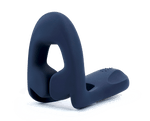
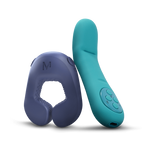
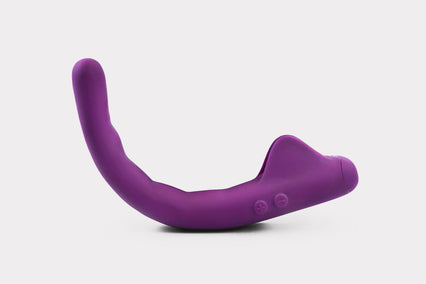
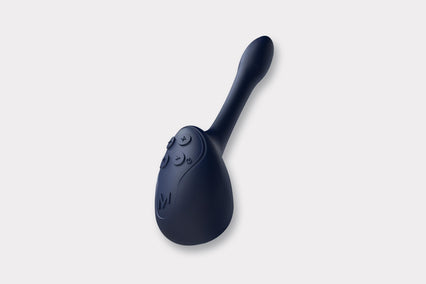
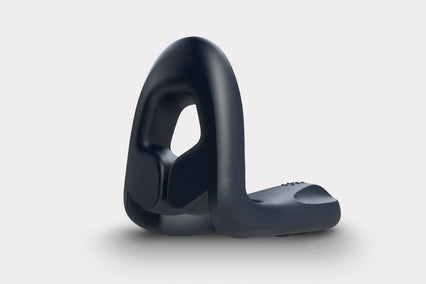
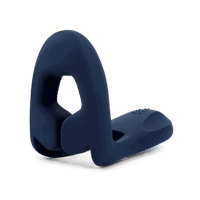
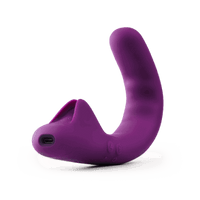
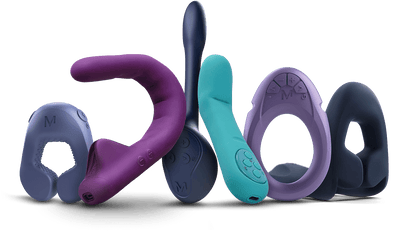
For those seeking a non-invasive, alternative pathway to surgery or medication to combat ED, medical ED devices are an excellent option. Tenuto 2 is a wearable medical device that is clinically proven to improve ED by 82% and performance anxiety in 100% of study participants.
Worn at the base of the penis, Tenuto 2 sends powerful vibrations to the key erogenous zones of the penis and perineum that stimulate blood flow for stronger, longer-lasting erections.
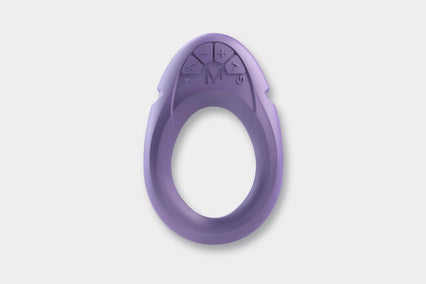
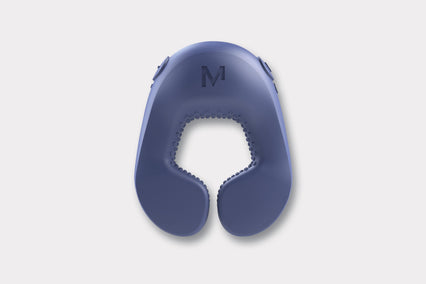
For those who desire compactness, there is Tenuto Mini. Much like its larger counterpart, Tenuto Mini is designed to combat ED. Despite its smaller size, it does not fall short in delivering the same benefits - boosting blood flow, enhancing erections, and contributing to overall satisfaction.
Shockwave therapy
Low-intensity shockwave therapy (LI-ESWT) uses targeted acoustic waves applied to the penis to stimulate new blood vessel growth and improve blood flow - addressing the root cause of ED rather than just the symptoms. Sessions are short, non-invasive, and require no anesthesia. It's best suited to men with mild to moderate ED and shows the most promise for those whose ED is vascular in origin. Major guidelines currently classify it as investigational, meaning more long-term evidence is still needed, but early results are encouraging.
Intra-penile injections
For men who haven't had success with oral medications, intra-penile injections - also called intracavernosal injections - are a well-established second-line option. A vasodilator medication is injected directly into the penis, relaxing the smooth muscle and allowing blood to flow in and produce an erection. It sounds daunting, but most men who use this treatment report high satisfaction rates alongside high success rates, and find the process straightforward once they get used to it. It's effective across a wide range of ED causes, including neurogenic and vasculogenic.
Vacuum erection devices (VEDs)
A vacuum erection device - or penis pump - is a simple, non-invasive option that works by creating negative pressure around the penis to draw blood in and produce an erection. A constriction ring is then placed at the base to maintain it. No medication, no surgery. Studies show success rates of up to 80% in men who use them correctly.
Lifestyle changes
In many instances, making certain lifestyle changes can have a profound effect on sexual health. For instance, regular physical exercise can improve circulation, increase energy levels, and reduce stress - all factors that contribute to healthier erectile function. Similarly, a balanced diet, rich in fruits, vegetables, whole grains, and lean protein, can help maintain a healthy body weight, which is critical for overall sexual health. Plus, moderate alcohol consumption and abstaining from smoking can prevent potential circulatory problems that may lead to ED.
ED medication
Pharmacological interventions are often the first line of treatment for ED. Oral medications such as sildenafil (Viagra), tadalafil (Cialis), and vardenafil (Levitra, Staxyn) enhance the effects of nitric oxide, a natural chemical the body produces to relax penis muscles and increase blood flow, resulting in firmer erections.
Psychological therapy
Considering the role psychological factors play in ED, therapies aimed at addressing mental health issues can prove highly beneficial. Counseling or cognitive-behavioral therapy can help address stress, anxiety, or relationship issues contributing to ED.
The road to sexual wellness may seem fraught with challenges, but an array of options - ranging from high-tech devices to wholesome lifestyle changes - opens up promising avenues towards reclaiming intimate health. Tailoring your approach based on your individual needs and circumstances can make the journey smoother and the destination more attainable.
Takeaway
The road to ED surgery is long, and along the way most men find something that works that doesn’t involve a knife and anesthesia. Whether it’s oral medications, wearable ED devices or lifestyle changes, all of these options can help manage ED effectively, depending on the cause. In the instances where surgery is warranted, it helps to know what to expect, the types available, and what it costs.