





So, you've been cutting sessions short, giving lackluster reasons you’re not in the mood, or avoiding sex altogether – because sex hurts. And who can blame you? About one in three women experience pain during sex at some point in their lives. But commonality doesn’t mean it should be accepted as the norm.
Sex positions matter more than most people realize. The right ones give you control over depth and pace, reduce friction, and create space for stimulation that actually increases arousal. And arousal is doing more work here than most people give it credit for towards more comfortable intimacy.
Here's what works and why.
Where is pelvic pain felt during sex?
Any pain below your belly button and above your thighs during or after sex counts. It might show up as discomfort on entry, pressure during penetration, or an ache that lingers when it's over. The clinical term is dyspareunia - and it affects women far more often than men.
The causes vary more than most people expect. Endometriosis, vaginismus, pelvic floor tension, hormonal shifts, and reduced natural lubrication can all be behind it - sometimes one, sometimes a combination. Which is why there's no single fix that works for everyone.
Where it shows up is a useful clue.
- Entry pain: felt right at the opening on initial penetration - usually linked to hormonal shifts, vaginal dryness, irritation, or infection. Position rarely fixes this one. More arousal and lubrication before entry does.
- Positional pain: is deep, sharp, or dull discomfort triggered by specific positions or deep thrusting - often when penetration makes contact with the cervix, ovaries, or surrounding pelvic structures. A tight pelvic floor, a tilted uterus, or conditions like endometriosis can all make certain angles acutely painful while others feel fine.
- Deep pain: happens during deeper penetration and tends to feel worse in specific positions. Endometriosis, pelvic floor dysfunction, and conditions affecting the bladder or bowel can all contribute. Positions that put depth control in your hands aren't just more comfortable - they're doing targeted work.
If it's been going on for a while, understanding what's driving it is worth a conversation with your doctor. You won't be their first patient.
5 sex positions to reduce pelvic pain
Every body is different, and what works for someone else may not work for you. These positions share one thing: they put you in control of depth, angle, and pace - the three variables that make the biggest difference when sex is painful. Start with the one that feels most intuitive, and adjust from there.
Take control with cowgirl
You're on top. You set the depth, the pace, the angle - and if something isn't working, you adjust without stopping, explaining, or negotiating.
Lean slightly forward to limit the depth of penetration. That shift also takes pressure off the cervix and brings the clitoris into play - which matters, because external stimulation keeps arousal high and sex feeling pleasurable.
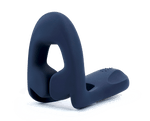
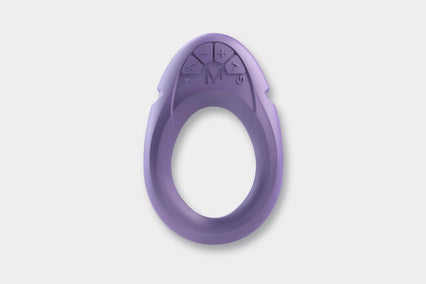
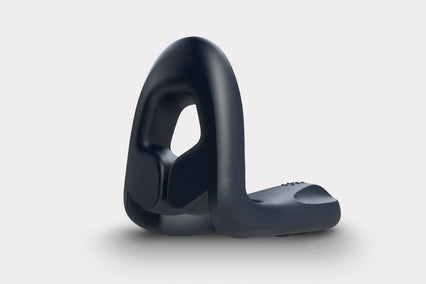
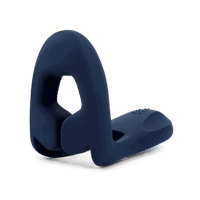
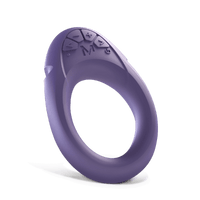
For couples, Tenuto 2 worn by the male partner adds arousal for both of you at once. When you're on top, it direct stimulates the vulva and clitoris - external stimulation without hands being involved is a big perk.
Try reverse cowgirl
Same position, facing the other way. You keep full control of depth and rhythm - but the angle shifts completely, which means spots that were uncomfortable in cowgirl may not register here at all.
Go slowly. Without the face-to-face feedback loop, you're working more from sensation - give yourself time to settle before committing to a rhythm. If your pain tends to appear at a specific angle rather than throughout, this variation is worth trying before you write it off.
Spooning for low-pressure closeness
On your side, your partner behind you. Penetration is naturally shallower here than almost any other position - no weight on your abdomen, nothing forcing a deeper angle.
Lift your top leg and slide a pillow under it for added comfort. Press back into your partner rather than having them thrust - depth and pace stay entirely with you.
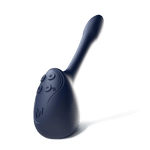
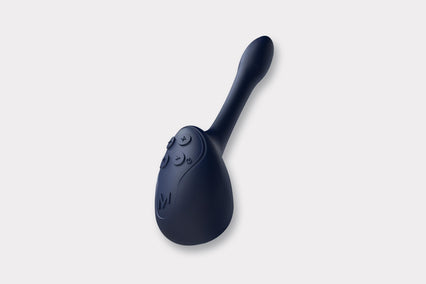
It's also one of the easiest positions for reaching your clitoris at the same time. A vibrator like Poco is compact and powerful enough to hold comfortably in one hand from this angle - targeted stimulation that keeps arousal going without interrupting the moment.
Modify doggy style with a pillow
Standard doggy style means deep penetration and limited control. One adjustment changes both.
Place a pillow under your pelvis and lower yourself onto it, knees slightly bent, hips tilting upward. The angle of entry shifts, depth naturally decreases, and your lower back stays supported. It feels completely different - more controlled, more stable, and for most people, significantly more comfortable.
The geometry also makes forceful deep thrusting harder to achieve. Which, here, is exactly the point.
Modified missionary with a pillow
Missionary gets a bad reputation for pelvic pain - and in its standard form, that's fair. Your partner controls depth and pace, and the angle often allows deeper penetration than is comfortable. One pillow changes the equation entirely.
Place it under your hips before entry. That tilt shifts the angle of your pelvis, redirecting penetration away from the cervix and toward the front wall of the vagina - where sensation tends to be more pleasurable and less painful. It also brings the clitoris closer to the action, making external stimulation easier to access mid-sex.
Keep your legs closer together rather than spread wide. Counter-intuitive, but it narrows the vaginal canal slightly - which limits depth and gives you more control over pressure without having to say a word.
9 tips to help with pelvic pain during sex
Position is only part of the equation. What you do before, during, and after matters just as much - and for a lot of women, these tips and small adjustments make a big difference.
1. Warm up before penetration
Not a quick minute of foreplay. Enough time for blood to flow to the genitals, natural lubrication to build, and the vaginal canal to relax and lengthen – and that time varies between individuals. Rushing to penetration is one of the most common reasons sex hurts - and the easiest to fix.
2. Try a doctor-recommended vibrator to increase arousal
More arousal means more blood flow to the genitals, more natural lubrication, and a vaginal canal that's physically more ready for penetration. A vibrator gets you there faster and more reliably during foreplay and feels amazing in the process.
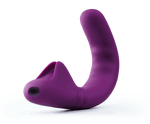
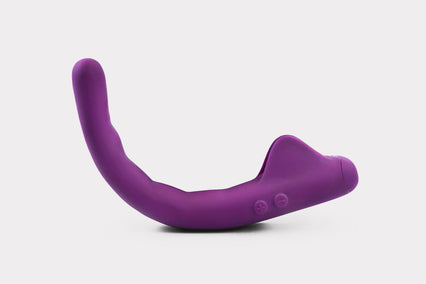
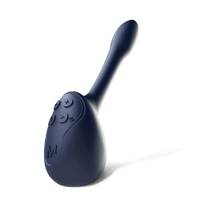
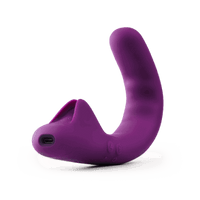
Crescendo 2 is fully bendable vibrator with 6 motors running end-to-end, meaning it can spread arouse across multiple erogenous zones, helping to increase arousal and natural lubrication – all of which helps sex be more pleasurable. Its bendability means you can find the positions that feel best and avoid angles or depth that don’t work for your body.
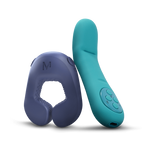
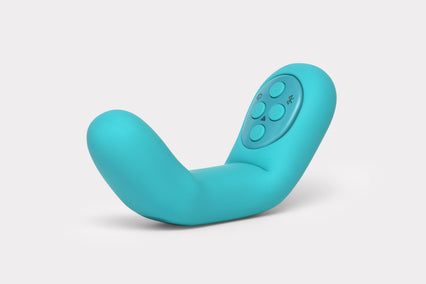
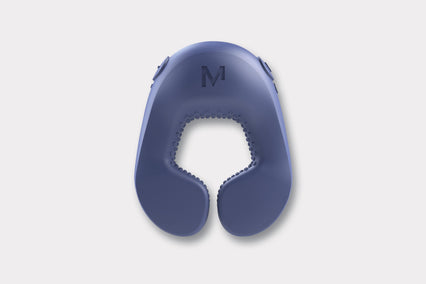
Legato is an external vulva vibrator that disperses vibrations across the entire vulva rather than concentrating them in one spot. This is a great ally in increasing arousal and lubrication enough to allow for comfortable penetration. And – with a generous gap in the middle, it can be used during sex to continue providing stimulation for mutual sex that feels pleasurable all the way through.
Both vibratos are doctor-recommended, FDA-registered, FSA/HSA eligible.
3. Use lubrication - more than feels necessary
Apply a personal lubricant before penetration, not after discomfort starts. While there are many types of lubricants, it’s recommended to use a water-based lubricant. If vaginal dryness is an ongoing issue rather than occasional, Kindra's V Hydration and Relief Duo is designed specifically to address that.
4. Breathe and relax before penetration
Pelvic floor tension is one of the most common drivers of pain during sex - and it's often involuntary. Taking a few slow, deliberate breaths before penetration and consciously releasing tension in the pelvic floor gives your muscles the signal to soften.
5. Try non-penetrative sex
Penetration doesn’t need to be the only type of sex you engage in on a regular basis. There are plenty of non-penetrative intimacy activities that can bring pleasure. Oral sex, mutual masturbation, sensual massage, aren't just consolation prizes. They're sex. Keeping them in rotation takes the pressure off penetration and gives your body more chances to experience pleasure without the stakes.
6. Use pillows everywhere
Under your hips, beneath your lower back, between your knees. They change the geometry of any position. Keep a few on standby before you start.
7. Talk to your partner
If they don't know sex is uncomfortable, they'll keep doing what they've always done. A conversation before takes the guesswork out of the moment - and means you don't have to interrupt anything to redirect. However, you should always speak out about pain during sex, even as it’s happening.
8. Consider pelvic floor physical therapy
Most people don't know pelvic floor therapy exists as a treatment option for dyspareunia - but the evidence behind it is strong. A pelvic floor physical therapist works directly on the muscle tension, coordination issues, and scar tissue that make sex painful. Your GP can refer you, or you can seek out a specialist directly.
9. Talk to a doctor
Pelvic pain has causes - and often, treatments beyond what any position or product can do. A gynecologist or sexual medicine specialist can identify what's actually driving it and give you real options. Don't let embarrassment be the reason you don't go.
Takeaway
Pain during sex isn't something you push through - it's something you work around, strategically. The right position, enough time to warm up, and a body that's actually aroused before penetration changes the experience more than most people expect.
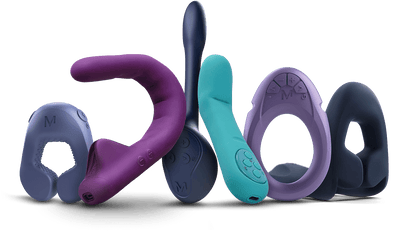
If you want a head start on that last part, try these doctor-recommended vibrators built to support arousal and natural lubrication - exactly where you need it most.