






Libido, also known as sexual desire, refers to the natural and instinctual drive to engage in sexual activity. It is a complex phenomenon that involves psychological, social, and biological factors. While libido varies greatly among individuals, it also changes over the course of one's lifetime, with age being one of the most significant factors that affect sexual desire.
Here's a breakdown of what libido is, how it changes with age, and tips on how to make your libido stronger at any age.
What is libido?
Libido is a complex phenomenon that involves a variety of physical, emotional, and social factors. It is influenced by hormones, neurotransmitters, and other chemicals in the body, as well as by psychological and social factors such as stress, relationship quality, and cultural norms. Libido can be affected by a variety of factors, including medications, medical conditions, and lifestyle factors, such as diet, exercise, and sleep.
While libido varies greatly among individuals, it is generally considered to be a natural and instinctual drive that motivates people to seek out sexual activity. It is an important aspect of human sexuality and can contribute to feelings of pleasure, intimacy, and connection.
How does libido change with age?
Libido is not a constant factor, and it changes over the course of one’s lifetime. However, age is one of the most significant factors that affect sexual desire. Not just age, but the changes that come with age, as outlined below.
Libido changes in men
In men, testosterone levels begin to decline gradually in their 30s and 40s, which can lead to changes in both sexual desire and performance. These shifts can affect the body and the underlying physiological systems that support arousal.
Physical changes may include:
- Slower arousal response
- Erections that are less firm or harder to maintain
- A longer recovery period between sexual activity
- Reduced frequency of spontaneous erections
- Decreased overall sexual stamina
Physiological changes may include:
- Gradual decline in testosterone levels over time
- Reduced blood flow, which can affect erections
- Changes in nitric oxide production that support vascular function
- Increased likelihood of age-related conditions such as diabetes and heart disease
- Side effects from medications, including antidepressants and blood pressure drugs, that may suppress libido
Libido changes in women
In women, hormonal changes associated with menopause lead to a decline in libido, along with other noticeable physical symptoms. These changes often occur more rapidly than in men and can feel more abrupt, especially during intimacy.
Physical changes may include:
- Vaginal dryness due to declining estrogen levels
- Reduced natural lubrication during arousal
- Thinning vaginal tissues, which may increase sensitivity or discomfort
- Pain or discomfort during sex
- Slower arousal response compared to earlier years
Physiological changes may include:
- Significant decline in estrogen during perimenopause and menopause
- Gradual decrease in testosterone, which also contributes to sexual desire
- Reduced blood flow to genital tissues, affecting sensitivity and arousal
- Hormonal fluctuations that impact libido
Other factors that can affect libido in later life include medical conditions such as diabetes, heart disease, and depression, as well as medications such as antidepressants and blood pressure medications. Social factors such as relationship quality, stress, and cultural norms can also play a role in shaping sexual desire at different stages of life.
8 ways to boost your sex drive at any age
While age-related changes in libido are a natural part of life, there are practical steps you can take to support sexual desire and maintain sexual health at any stage. Desire may shift, but it does not have to disappear. Yes, it is still possible to have a great sex life if you are experiencing erectile dysfunction or navigating intimacy during menopause. While everyone’s situation will vary slightly, here are some proactive ways you can help keep your libido alive.
1. Communicate openly with your partner
Communication is essential for a healthy and satisfying sexual relationship. Talk openly and honestly about your desires, preferences, and concerns with your partner. As your body changes, your needs may change too. Discussing what feels good, what feels different, and what you want to explore can remove pressure and strengthen emotional intimacy. Feeling understood and supported often improves sexual confidence and desire.
2. Stay physically active
Regular exercise helps improve blood flow, boost energy levels, and reduce stress - all of which support a healthy libido. Cardiovascular health is directly connected to sexual function, since arousal depends on healthy circulation. Physical activity can also improve mood, reduce anxiety, and increase body confidence, which plays an important role in sexual desire. Additionally, if you are experiencing ED, there are ED exercises, like pelvic floor exercises, that can help keep your sexual activity up.
3. Eat a healthy diet
A balanced and nutritious diet supports hormone regulation, heart health, and stable energy levels. Nutrients that promote healthy blood flow and reduce inflammation can positively influence sexual response. Maintaining a healthy weight and balanced blood sugar levels can also reduce the risk of conditions that interfere with libido, such as diabetes and cardiovascular disease. Also, healthy foods help keep erections up, too.
4. Get enough sleep
Sleep is essential for overall health and hormone balance. Testosterone and estrogen levels are influenced by sleep quality, and chronic sleep deprivation can lower sexual desire. Poor sleep can also increase irritability, fatigue, and stress, all of which make intimacy less appealing. Prioritizing consistent, restorative sleep supports both physical and emotional readiness for sex.
5. Manage stress
Stress can have a significant impact on sexual desire and performance. Elevated cortisol levels interfere with arousal and make it harder for the body to relax into sexual experiences. Finding healthy ways to manage stress, such as therapy, mindfulness practices, exercise, or simply creating time to unwind, can help restore mental space for intimacy and desire.
6. Use doctor-recommended vibrators to enhance arousal
Sensitivity and blood flow are two big libido necessities that naturally decrease with age. Many people benefit from vibration therapy aimed at increasing physical sensation and blood flow, aka vibrators. Targeted vibration on the genitals increases circulation, which makes it easier for the body to respond positively to sexual stimulation and get aroused.
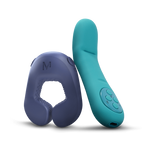
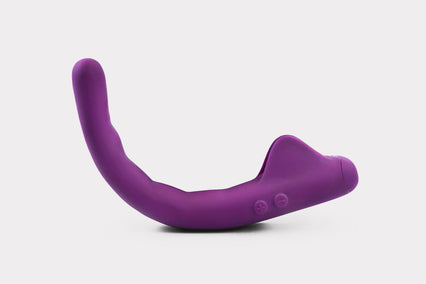
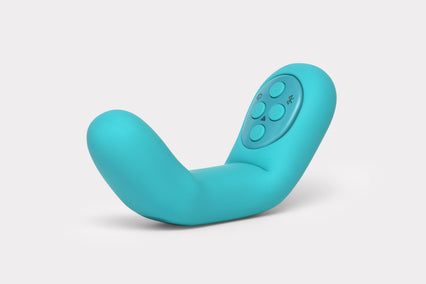
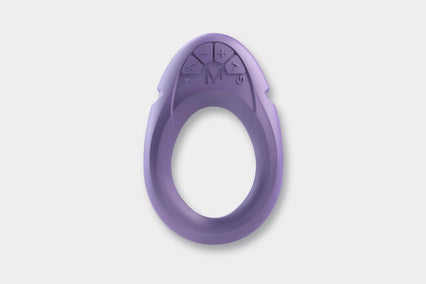
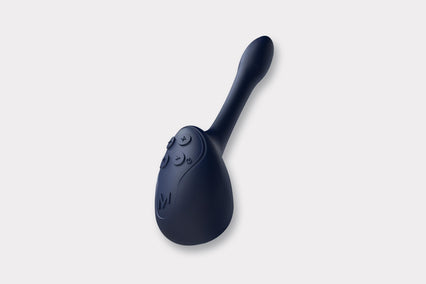
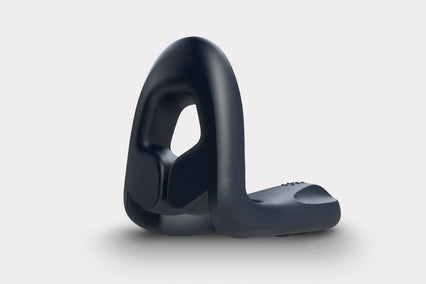
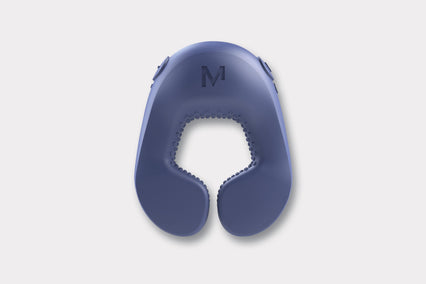
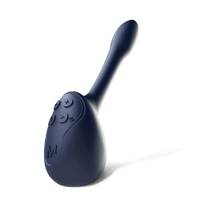
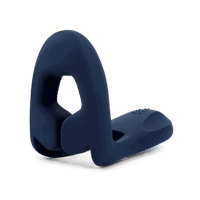
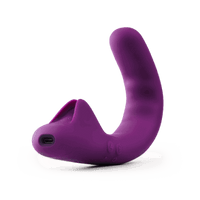
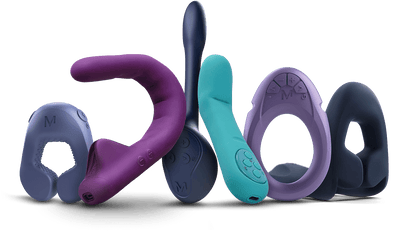
Vibrators can be so effective even doctors have started recommending them to people to improve arousal and the sexual experience. FDA-registered vibrators like Crescendo 2 and Legato can help women improve arousal and natural lubrication, particularly during perimenopause and menopause when lack of lubrication and reduced sensitivity are common.
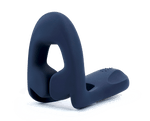
Similarly, vibrators can help men import libido by heightening sensation and support firmer erections. FDA-registered vibrators such as Tenuto 2 and Molto are designed to increase blood flow at key erogenous areas responsible for erections and arousal, reduce performance pressure, and help both men and women experience more reliable, satisfying sexual response as they age.
7. Bring lubricant and vaginal moisturizers into the bedroom
Hormonal changes, particularly during perimenopause and menopause, often reduce natural lubrication. Vaginal dryness can cause friction, irritation, or discomfort during sex, which may lower desire over time. Using a body-safe water-based lubricant can help reduce friction and improve sex. However, for some women with severe vaginal dryness, lubricant may not be enough. That’s where vaginal moisturizers come in.
Vaginal moisturizers are designed for everyday hydration of vaginal tissue. Unlike lubricants, which are used during sexual activity, moisturizers help maintain moisture, elasticity, and tissue health over time. Studies show that vaginal moisturizers, like Kindra’s V Hydration and Relief, with ingredients like hyaluronic acid or zinc-containing gels significantly improve dryness, pH balance, and vaginal tissue integrity, often matching the efficacy of estrogen-based treatments without hormones.
8. Seek medical treatment if necessary
If changes in libido feel persistent, sudden, or distressing, it may be helpful to talk to your healthcare provider. They can help identify underlying medical conditions, hormonal imbalances, or medications that may be contributing to changes in sexual desire. In some cases, adjusting treatment plans or addressing specific health concerns can significantly improve sexual well-being.
Takeaway
Desire does not run on autopilot: it responds to stimulation, connection, and physical conditions. As your body changes with age, the key is working with it rather than against it to help keep an active, healthy sex life. If you're looking for a natural libido booster for the bedroom, try these doctor-recommended vibrators designed to improve arousal, sensation, and intimacy at any age.